In October 2025, a group of monks from a Texas Buddhist monastery, led by the Bhikkhu Ven. Pannakara set off on a 2,300-mile (3,700 km) walk to Washington, D.C. The aim of the walk was to inspire peace in the world, and not to enforce it. When the monks set off, it was a small but dignified affair. But, as their walk gained momentum, their message and their actions gained rapid popularity.
This popularity kept growing and I was intrigued by this group of intrepid monks and their mission. Sure, they preached peace in the towns and states they visited. But they were not on a mission to convert anyone to Buddhism. They were simply there as an example of what peace can look like. A stubborn and determined group of people hoping to inspire a message that many can get behind.
Pictures and videos of Americans lining up the streets and handing the monks flowers, gifts and foodstuffs flooded the internet. There were also shows of emotion, large crowds and even police escorts that helped the monks safely traverse from one location to the next.
Also, the monk’s pet companion – Aloka the peace dog, gained widespread popularity.
The monks were walking during a time of upheaval. There was global uncertainty coming out of the country in which they had chosen to live. Israel-Palestine, Russia-Ukraine, the abduction of the Venezuelan president and subsequent threats to annex sovereign countries were dominating the headlines.
In the midst of all this commotion, this silent walk can go unnoticed, or even ridiculed by the more cynical members of society. However, I wanted to see why people are so invested in these monks’ journey.
Fortunately, I knew a Buddhist monk who currently lives in Mississauga. He is Ven. Bhante Saranapala, also called “The Urban Buddhist Monk,” for his work in the community. He is especially known for helping the youth and adults through conducting meditation classes and speaking on topics such as mindfulness and being kind.
He has also helped me earlier, when I was going through a particularly difficult period of time at school. His advice has stuck with me ever since.
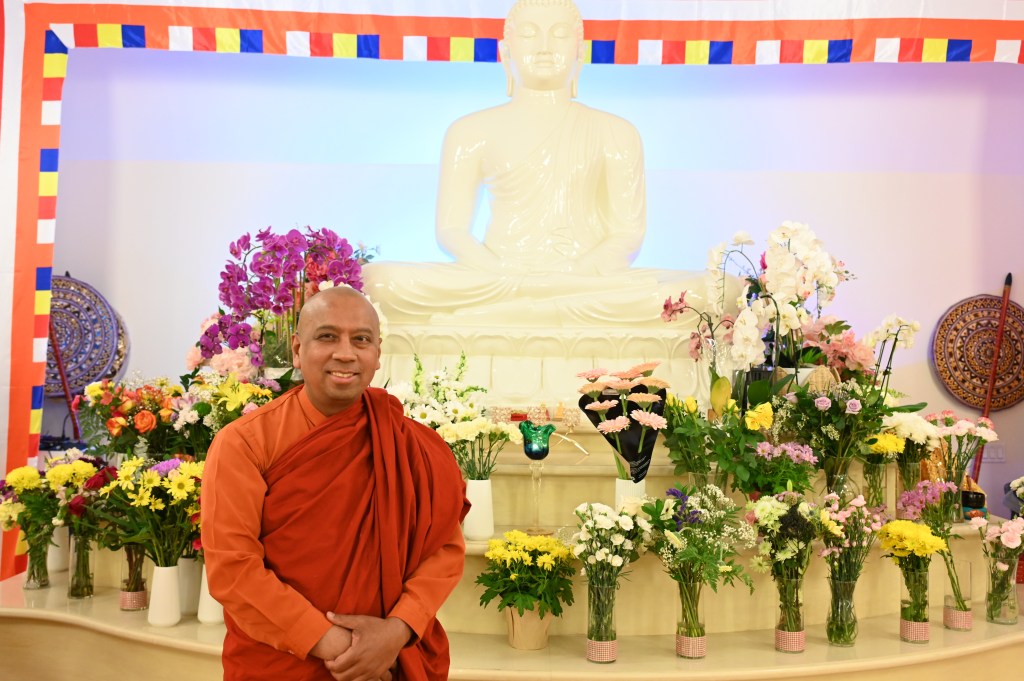
I got in touch with him and spoke to him about the importance of this walk. He explained to me in detail, the significance of this action. Walking, he said, is also a form of meditation in Buddhist philosophy. But every step these monks also took, through freezing cold temperatures and even some life-altering accidents, was a message. A message that there is always a better way.
The subject of peace is a universal one. Especially these days, when peace can feel almost unattainable. However, these monks showed that anyone is capable of it – for as they said, peace comes from within, not without.
My editor posed an interesting question before publishing this. There was a famous Vietnamese monk that self-immolated himself in the 1960s for the government’s mistreatment of Buddhists. There is a famous picture of the monk engulfed in flames, yet the monk’s face is one of calm.
He had a point, my editor.
However, the monk who self-immolated was protesting his government’s crackdown on Buddhists – for example, not being able to fly the Buddhist flag, and even getting shot by the government for protesting. Buddhists were being openly persecuted for their faith.
Ven. Pannakara and his monks did not walk to protest persecution, but as a silent reminder and personal challenge to choose the better path – the path of peace.
Buddhism is about choosing the middle path, the path between extremes. Peace is not unattainable. It just takes a lot of introspection, self-restraint and mindfulness to achieve it.


Leave a Reply